

I get this icky feeling whenever someone mentions "self-care" to me.
For the longest time, I couldn't put my finger on why.
Here I am, supposedly helping high performers thrive, and yet the entire wellness industry makes me want to hide under my desk.
Turns out, I'm not alone. Most high performers I work with have the same visceral reaction. Mention bubble baths and meditation apps and watch their eyes glaze over faster than you can say "work-life balance."
High performers are already good at taking care of ourselves. Just not in the way Instagram wellness gurus want us to. We take care of ourselves by crushing goals, solving problems, being the person everyone can count on. That's how we've learned to feel good.
So when someone tells us we need more self-care, it feels like we're doing it wrong. Again. Like being told our perfectly good car needs different tires when it's already getting us where we need to go.
But there's something deeper happening here.
Most high performers didn't just wake up one day and decide to be overachievers. We learned early that performance equals belonging. Maybe it was the parent who lit up when we brought home A's, or the coach who only noticed us when we scored.
As kids, we didn't have a frontal lobe to help us understand that love wasn't conditional. We just knew that when we didn't perform, people seemed disappointed. When we did perform, they stayed close.
The Unconscious Rule we Learned: You are only safe & connected to me when you achieve.
So we started overcompensating. And when that "worked," we got stuck there.
And we’re slow to update the software in our brains. Many high performers still operate from that childhood fear of being rejected, abandoned, or shunned from the tribe.
This is why traditional self-care advice bounces right off us. You're telling someone who learned that love comes through performance to stop performing and love themselves instead? It just doesn’t compute.
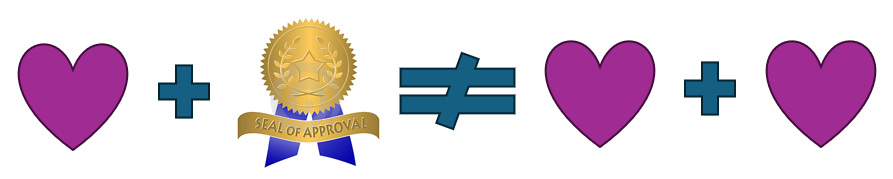
The truth is: High performers aren't really looking for SELF-care.
We're looking for CARE. Period.
We want to be cared for by others. We are drawn to people who sees us behind the mask of productivity. Someone who knows what we really need and offers to help us get it when we can't give it ourselves.
When we're told to practice self-care, it reinforces this lonely narrative that we're responsible for everything. Including getting all of our own needs met.
The research on burnout and wellbeing in the workplace supports this.
Burnout isn't caused by individuals who can't handle their workload. It's caused by the environment that either supports people or slowly ignores them as they grind themselves down.
Thanks for reading The Thriving Achiever: Excellence Redefined! This post is public so feel free to share it!
This isn’t to say that organizations, leaders, managers, parents, coaches, or other support people should feel responsible for carrying the whole burden for the individual. But if they don’t see it as their duty to care for their people, everyone loses.
I know what you're thinking. "Great, another thing on my plate." You're already managing deadlines, budgets, and a dozen other fires. But here's the thing: this isn't about adding more to your workload. It's about working smarter, not harder.
Weave it into your daily check-ins or meetings with people. Start your one-to-one with asking about the last time they had a good laugh.
This isn't soft management. It's Strategic. It’s Compassionate Leadership.
The trick is to recognize the way high performers think….
Even though we want and need other people’s care, it doesn’t mean we will readily accept it. When someone tries to interrupt our flow, our defenses shoot up. We might snap, dismiss their concern, or insist we're "almost done" (yeah, right). When you're deep in the tunnel of hyperfocus, it’s really hard to see the bigger picture. Even when people point it out to you.
What feels like caring support to others might feel like criticism or control to us. Especially when our nervous system is already running hot.
But then…people don’t bother checking in on the high performers, assume they really are okay (like they say they are) and keep expecting outcomes without showing care and concern along the way.
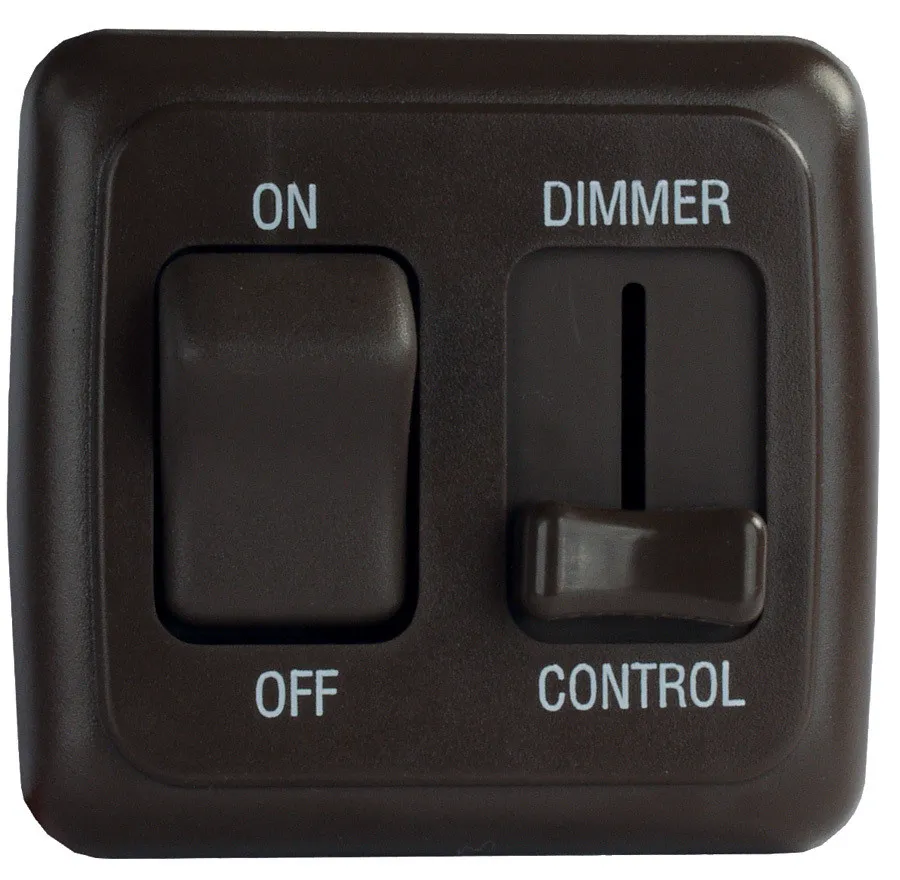
Thankfully, my husband has mastered a way to take care of me. He spots when my brain gets stuck in the "on" position and literally pretends to flip an imaginary switch in my head. When I’m in hyperfocus mode and can’t decide what to do next he says “GO FOR A WALK.” It’s more of an order than a suggestion, but that is just what I need to unhook. I rely on him to catch me when I’m stuck.
More important, I feel seen and understood. He doesn’t judge me or criticize me for not doing more “self-care”. He gets it. I love what I do.
I just need him to be my belay when I climb too high and need a rest.
We even got our kids involved. When they were young, I kept a singing bowl in our kitchen. Whenever anyone noticed someone else getting wound up, they'd grab the bowl and ring it. Our family signal to pause, breathe, and reset together. When we hug, we aim to take 3 full breaths in sync together before letting go.
We made this plan together after one-too-many blow ups in the kitchen. [You know the scene: working parents coming home after a long day, wanting to cook a nice meal, siblings fighting... Everyone’s hangry.]
The point is…it had to be a team approach. We all had to agree that it was our duty to care for each other, especially when we can’t do it ourselves.

Remember that what feels caring to one person might feel controlling to another. Some need gentle touch, others need space. Some respond to humor, others need direct communication and firm limits.
Either way, the message has to be crystal clear: "I see you. Your goal is my goal. I’m here to help you go the extra mile. You're not responsible for figuring it out alone, but you gotta do it."
High performers have all sorts of patterns that others can notice and lovingly interrupt. Maybe it's working through lunch again, or staying up too late scrolling, or that particular way we get when we're spinning our wheels but can't admit it. The key is having people who see these patterns and remind us that we matter beyond our output. Or that to get to the outcome we want – for longer - a different strategy is needed.
We all know what we “should” do to take care of ourselves. Thanks to 5-step self-care preachers and wellness gurus. The research is clear - we need to charge our batteries, eat well, shake things up, get active, and spend time in nature.
But when someone's nervous system is dysregulated, they can't access the part of their brain that makes good decisions about what they need. They won’t listen to their body’s warning signals to stop and reset.
What I know for sure: All we need is CONNECTION.
Human nervous systems co-regulate through proximity to other calm nervous systems. This isn't touchy-feely theory. It’s neuroscience. When we're around genuinely present, regulated people, our own systems naturally settle. We come into what’s called the “Window of Tolerance.”
We were born as social creatures who depend on each other to survive AND thrive.
The case for connection as the road to higher performance is clear: Teams with strong peer relationships and environments that prioritize collective well-being consistently outperform those that leave wellness to individual responsibility. When people feel genuinely supported by teammates and leadership, they don't just feel better. They think more creatively, bounce back faster from failures, and sustain peak performance longer. When people have a friend with them, they run up a hill faster.
Connection leads to real change in how confident people are, how safe they feel to keep going. Compassion alleviates suffering and leads to greater collaboration, resilience, and innovation on teams.
High performers aren't machines that need better maintenance schedules. We don’t need to make self-care into one more thing to be responsible for, let alone to optimize.
We're human beings who learned to achieve our way to belonging, and now we're exhausted from carrying that load alone.
The way to self-care for high-performers is to feel cared for by others.
Only then will they feel worthy of caring for themselves.
Written by

Heather Wheeler, Ph.D.
...and the Dimmer Switch mentality that helped him excel AND feel whole again

Heather Wheeler, Ph.D.
Seeing the hidden trauma beneath compulsive exercise and disordered eating


.svg)