

Heather Wheeler, Ph.D.
December 13, 2025

The Presenting Challenge
She looked like the picture of health. Marathon stickers on her water bottle. Lean, toned muscles. That unmistakable glow of someone who spends hours outdoors.
Liz (not her real name) sat across from me, fidgeting with her fitness tracker. Manager at a nonprofit. Mother of three teenagers. Triathlete with multiple Ironman competitions under her belt.
"I can't stop," she admitted, eyes fixed on her watch as if afraid to miss a single metric. "I train twenty hours a week, work full-time, barely see my husband. I know my priorities are messed up, but the thought of slowing down makes me feel... I don't know... like I'll totally fall apart."
Behind her composed exterior, Liz was in a desperate struggle. Every race required a more extreme challenge. Every workout metric filled her head as she tried to close every gap. Every meal became a battleground of calculations. Calories in, calories out.
What looked like dedication from the outside was actually a prison on the inside.
Beyond the Surface: What's Really Happening
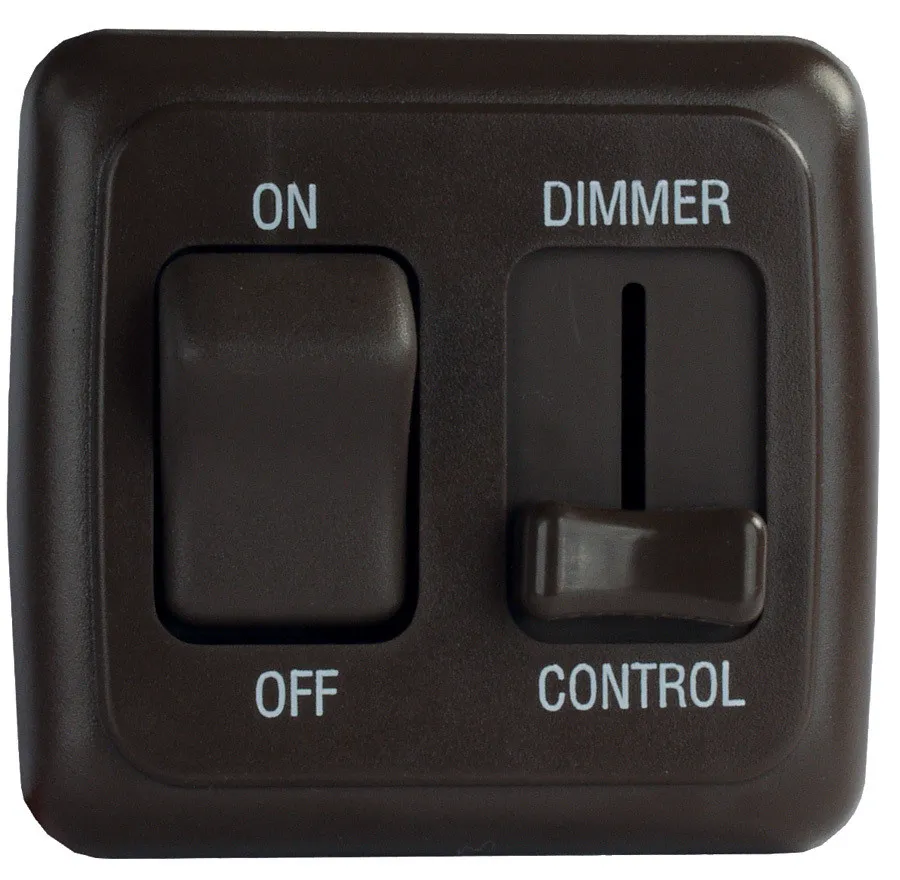
Liz's story is one of the classic "hijacked dimmer switch" cases I’ve worked with. Like so many others, Liz’s ability to regulate intensity (mental and physical) got locked in the "ON" position by unprocessed trauma.
Imagine this: Parents who put her on a diet as a young teen. She was healthy weight but she was heavier than her peers in her dance group. After she lost weight on the diet, her parents arranged plastic surgery to remove the "excess" fat on her teenage stomach. Her mother made her feel like a burden whenever she expressed pain or emotion. Siblings who did nothing but compete with each other. A family where achievement mattered more than anything.
The message was crystal clear: Your needs don't matter. You are never good enough. Your worth depends entirely on how you look.
Then came the sexual assault in college. Another violation.
Lesson learned: Her body wasn't safe, wasn't hers to control.
Liz found her answer in triathlons. Initially a healthy outlet, her training gradually morphed into something else entirely—a compulsion, a way to exert absolute control over her body when so much had been out of her control.
If you're a high performer like Liz: You may recognize this pattern. The constant need to push harder. The terror of slowing down. The way your identity has fused with achievement until you can't tell where the activity ends and you begin. This ON/OFF switch is costing you:
If you're supporting someone like Liz: You've probably noticed how their drive has crossed over from passionate to compulsive. Their body is sending clear distress signals they're ignoring. You might see:
The cruel reality? Liz's coping mechanism to feel in control was actually controlling her, bringing her closer to the helplessness she was desperately trying to escape.
The Breakthrough Tool
The Dimmer Switch concept I’ve been writing about (see my past newsletters) is crucial here. Liz's case illustrates what happens when trauma and unprocessed emotions block our ability to adjust those dimmers.
Her ON/OFF switch was locked in the "ON" position due to trauma. The unhealthy, compulsive ways she tried to stay “ON” were “emotion converters” for the things she didn’t want to think about or feel. The fact that she wasn’t good enough or strong enough for her mother to love her unconditionally. Memories of the sexual assault. And all the other bad things and expected failures she wouldn’t be able to control in the future.
Dimming the switch and letting go of rigid control felt like a recipe for total destruction.
After building safety in our relationship, here’s how we rebuilt Liz's Dimmer Switch:
Step 1: Reconnect with the Body
Liz had become a master at ignoring her body's signals—hunger, fatigue, pain, emotion. Her body wasn't a source of wisdom; it was an obstacle to overcome, an enemy to control.
While the true "medicine" for her anorexia was FOOD—proper refueling and nourishment —she wasn't ready to accept this prescription. Like many people with eating disorders, she was convinced that eating more would diminish her performance, make her less competitive, less worthy. Beneath this surface fear lay a deeper one: that being properly nourished would somehow make her less acceptable to others.
The body demonstrates remarkable resilience when starving—holding onto fat around vital organs, slowing the heart rate, and adjusting metabolic processes to protect itself. Though Liz was "functioning" and even routine medical tests were not showing major concerns, her body was sending clear distress signals through stress fractures, cognitive difficulties, and constant pain (physical and emotional).
Our first breakthrough came through simple mental body scans—becoming willing to pause for brief moments throughout the day, get out of her head, and notice physical sensations without judgment.
For someone who only valued her body for what it could achieve, this was revolutionary. She began to realize her body wasn't just a machine to push—it had information to offer. And it felt good to listen to it for a change.
Step 2: Name the Emotions
Liz couldn't identify her emotions. Her feelings had been actively punished and suppressed throughout childhood, creating a profound disconnection from her emotional world.
We started with the Inside Out Approach:
The first time Liz recognized sadness in her body, she panicked – as if she would spiral into a deep dark hole. But gradually, she saw that emotions weren't dangerous. They were data.
When she felt the tightness in her throat during training, it wasn't just frustration at her performance—it was loneliness. The knot in her stomach after meals wasn't a sign she ate too much and was fat —it was fear.
Step 3: Face the Trauma
This was the hardest part. Liz's compulsive exercising and restricted eating weren't just habits, they were sophisticated survival mechanisms.
Her eating disorder wasn't really about food or weight—it was about:
Through trauma therapy, she began to process these experiences, gradually developing a sense of safety in her body and in vulnerability.
Step 4: Rebuild the Dimmer Switch
With this foundation, we could now work on all three dimensions of her Dimmer Switch:
For Intensity:
For Attention:
For Identity:
The Power of Self-Compassion: For someone whose inner voice had always been critical, self-compassion felt foreign, even dangerous. But it was the essential ingredient. Liz had to learn that she deserved kindness simply for existing—not for what she achieved or how she looked.
The Vulnerability Factor: The most difficult step was allowing herself to need others. To ask for help. To be seen in her imperfection. This was terrifying for someone whose fundamental safety had been violated. But gradually, she discovered that vulnerability, in the right contexts, could be a source of strength rather than weakness.
Your Practice Until Next Time
If trauma has hijacked your Dimmer Switch, here's your homework:
Parting Reflection
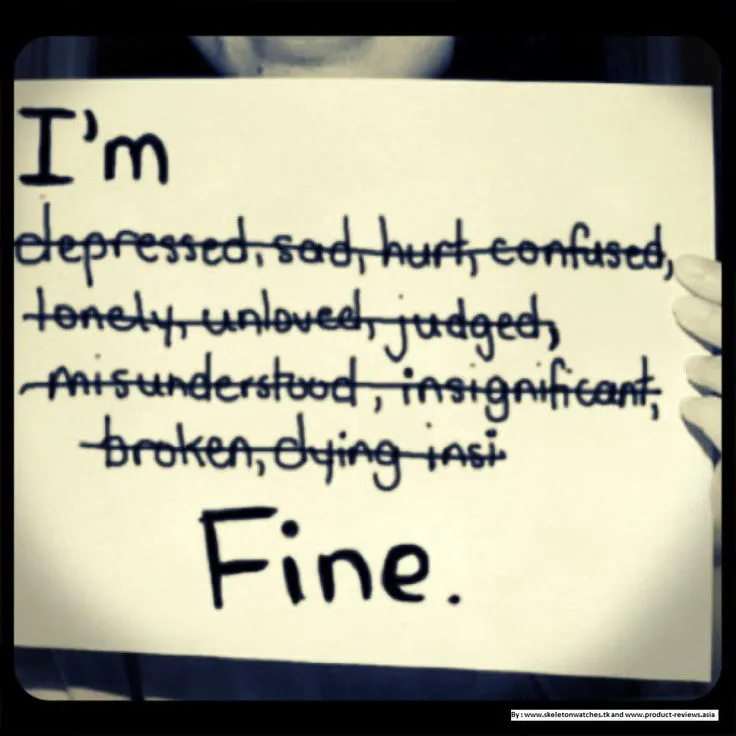
If you're reading this and recognizing yourself in Liz's story, please know this: Your compulsions may have saved you once. They were brilliant adaptations to impossible situations. There's nothing wrong with you for developing these patterns.
But the strategies that protected you in the past may be limiting you now.
Liz is still an athlete—and an exceptional one. But now she races because she wants to, not because she has to. She can take a rest day without identity collapse. She can enjoy a meal without calculating the calorie burn required to "earn" it. She can feel good in her skin. She can have emotions without spiraling to the “OFF” position. And she has the fuel to make it through races with energy to spare for the celebration (she’s podiumed a lot!) rather than barely get to the finish line.
Most importantly, she's discovered that control isn't found in rigid perfection. True control comes from flexibility—the ability to adjust your dimmers based on what you really need and want, not from what some external (and arbitrary) “rule” says to do.
Even if we know the most powerful medicine you need to recover from an eating disorder is food (and less compulsive exercise), sometimes the only way to get there is by re-learning how to reconnect with yourself and others first.
When trauma hijacks your dimmer switch, it locks you into rigid patterns. But with patience and the right support, you can regain flexibility. You can reclaim your power to choose. You can build a life that includes achievement without being consumed by it.
Let's redefine excellence together,
~ Heather
Important: This newsletter does not represent all it takes to recover from trauma or an eating disorder. This may take a long time, so it’s important to get professional help to keep you safe and medically stable while you do. Look for a team of regulated professionals, including doctors, (sport) dietitians and psychologists trained specifically with eating disorders. See NIED or NEDIC to start. There are also some great resources at CCI.
Written by

Heather Wheeler, Ph.D.
...and the Dimmer Switch mentality that helped him excel AND feel whole again
Heather Wheeler, Ph.D.
How high performers can reconnect with their emotions for deeper fulfillment and sustainable excellence


.svg)