


The Presenting Challenge
The guy sitting across from me was everything most parents dream of in a son.
Top of his class. Great job. Young, successful, put-together. You know, the kind of guy who makes it look effortless.
Justin (not his real name) showed up at my office wearing his usual mask of competence, but when he started talking, the facade cracked.
"I feel like I'm drowning," he admitted, hands gripping his coffee cup like a lifeline. "It doesn't matter how well I do at work—I'm convinced I'm about to be fired. And dating?" He let out a bitter laugh. "Every relationship falls apart. I either care too much or not enough. There's no middle ground."
Here's the thing about Justin: He could manage a million-dollar budget, present to C-suite executives without breaking a sweat, and crush any project thrown his way. But ask him to have a genuine conversation about feelings with a partner? He'd rather chew glass.
His life was one big performance review, and he was his own harshest critic.
Beyond the Surface: What's Really Happening
Justin's story is textbook "high achiever on the outside, mess on the inside." Like most stories, it started way before he ever stepped into my office.
Picture this: Dad's love language was criticism. Emotions? "Who needs them. Keep it together, son." Affection? Might as well have been asking for a unicorn. Mom tried to compensate by making Justin her emotional support animal, confiding in him about her marriage problems while desperately keeping Dad happy by dismissing Justin's needs.
And then there was his younger brother with disabilities who required constant care. While Mom focused on getting help for his brother, Justin became the family's designated success story. No pressure, right?
By high school, he'd found his coping mechanism: binge drinking on weekends with the sports team. Because blackout drunk at 16 is safer than trying to meet everyone’s expectations.
The pattern stuck. In college, it was party hard, study harder. In his twenties, it morphed into work obsession punctuated by drinking binges whenever the anxiety got too loud.
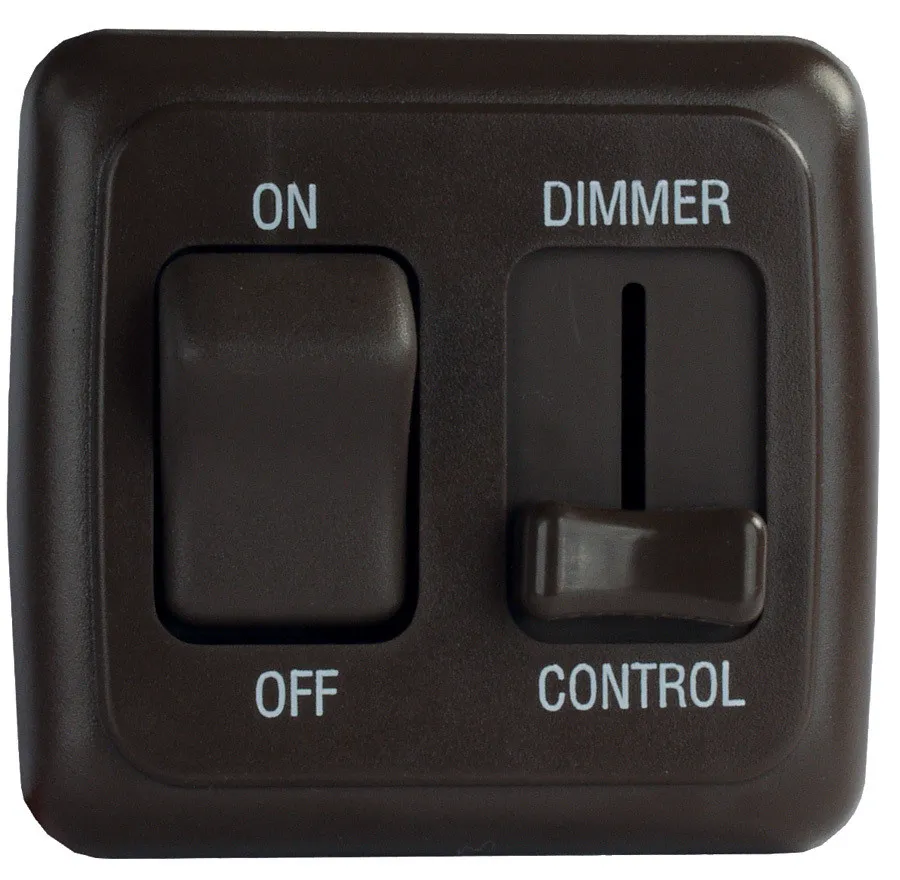
If you're a high performer like Justin: You might recognize this pattern. The constant need for gold stars. The terror of making mistakes. The way you oscillate between being "ON" (perfect, productive, pleasing everyone) and "OFF" (numb, drinking, avoiding, convinced you're worthless). Here's what this ON/OFF switch costs you:
If you're in a relationship with someone like Justin: You're probably exhausted from the emotional whiplash. One minute they're overachieving and distant, the next they're spiraling into self-doubt and seeking constant reassurance. You might see:
The cruel irony? Justin's core beliefs — that he was simultaneously "too much" and "not enough"— created exactly what he feared most: disconnection.
The Breakthrough Tool
Here's where we get to the good stuff. Remember that Dimmer Switch I talked about in my last newsletter? Justin was the perfect case study for why we need it.
His ON/OFF switch was destroying him. When "ON," he was a perfectionist robot, seeking approval like oxygen. When "OFF," he was drowning in shame and numbing with alcohol.
We needed to find the middle ground.
Here's how we built Justin's Dimmer Switch:
Step 1: Name the Pattern
First, we had to call out the elephant in the room. "Justin," I said, "You're not actually trying to be perfect. You're trying to get your dad's love."
Cheesy but true. Once he saw it, he couldn't unsee it.
Step 2: Separate from the Critic
We gave his inner critic a name (he chose "The Judge"). This helped Justin recognize when The Judge was talking vs. his actual self. The Judge said things like:
We did some powerful two-chair work where Justin literally sat across from an empty chair and spoke to The Judge. That's when the breakthrough happened—he realized The Judge wasn't just some abstract voice. It was his father's voice.
"Holy shit," he said, mid-session. "That's exactly how Dad talks to me."
But here's where it gets interesting. As Justin kept dialoguing with The Judge, something shifted. He started to see that his father (and by extension, The Judge) wasn't trying to hurt him. They were both just trying to protect him and help him succeed in the only way they knew how.
This realization changed everything. Instead of fighting The Judge, Justin could now respond with: "I get it. You're trying to keep me safe. But I'm an adult now, and I can handle some discomfort. I've got this."
The real magic? This insight transformed his actual relationship with his father. Justin stopped waiting for approval he thought he didn't deserve and started asking for what he needed. And his dad? He actually started responding.
Step 3: Practice the Dimmer Settings
For Intensity:
For Attention:
For Identity:
The Power of Self-Compassion: None of this was possible without developing fierce self-compassion. Justin had to learn to treat himself with the kindness he'd give a friend. When The Judge got loud, he practiced responding with: "This is hard, and I'm doing my best."
And here's the kicker—as he developed this internal gentleness, his need to numb with alcohol naturally decreased. He didn't need to escape his feelings anymore because they weren't his enemy.
The Vulnerability Factor: The scariest part? Justin started having real conversations. With his dad. With partners. He even told his father he wanted more affection. And guess what? His dad, now older and wiser, actually stepped up. Vulnerability became his superpower, not his weakness.
Your Practice Until Next Time
Ready to build your own Dimmer Switch? Here's your homework:
Parting Reflection
Look, I get it. If you grew up earning love through achievement, the idea of a Dimmer Switch feels terrifying. Your ON/OFF pattern kept you safe for years.
But here's the truth: You can't earn worth. You already have it.
Justin's still a high performer—in fact, he's more successful than ever. He got promoted, his relationships are thriving, and he still crushes it at work. The difference? He's not trapped by the need to be "ON" all the time. He can dial up when it matters and dial down when he needs to connect or rest.
He still has days where The Judge gets loud. But now he has choices. He can dim the intensity without shutting down completely. He can make mistakes without spiraling.
He can be human AND successful.
And so can you.
Let's redefine excellence together, ~ Heather
P.S. Next time, we'll explore what happens when your Dimmer Switch gets hijacked by trauma responses. Spoiler: It's not pretty, but it's fixable.
Note: The stories I share about people are based on a combination of individuals that I’ve been honored to work with over my 20+ years of experience. Names and identifying information have been changed to protect their identities. Any resemblance to specific people’s lives is purely accidental.
Written by

Heather Wheeler, Ph.D.
Seeing the hidden trauma beneath compulsive exercise and disordered eating

Heather Wheeler, Ph.D.
How high performers can reconnect with their emotions for deeper fulfillment and sustainable excellence


.svg)