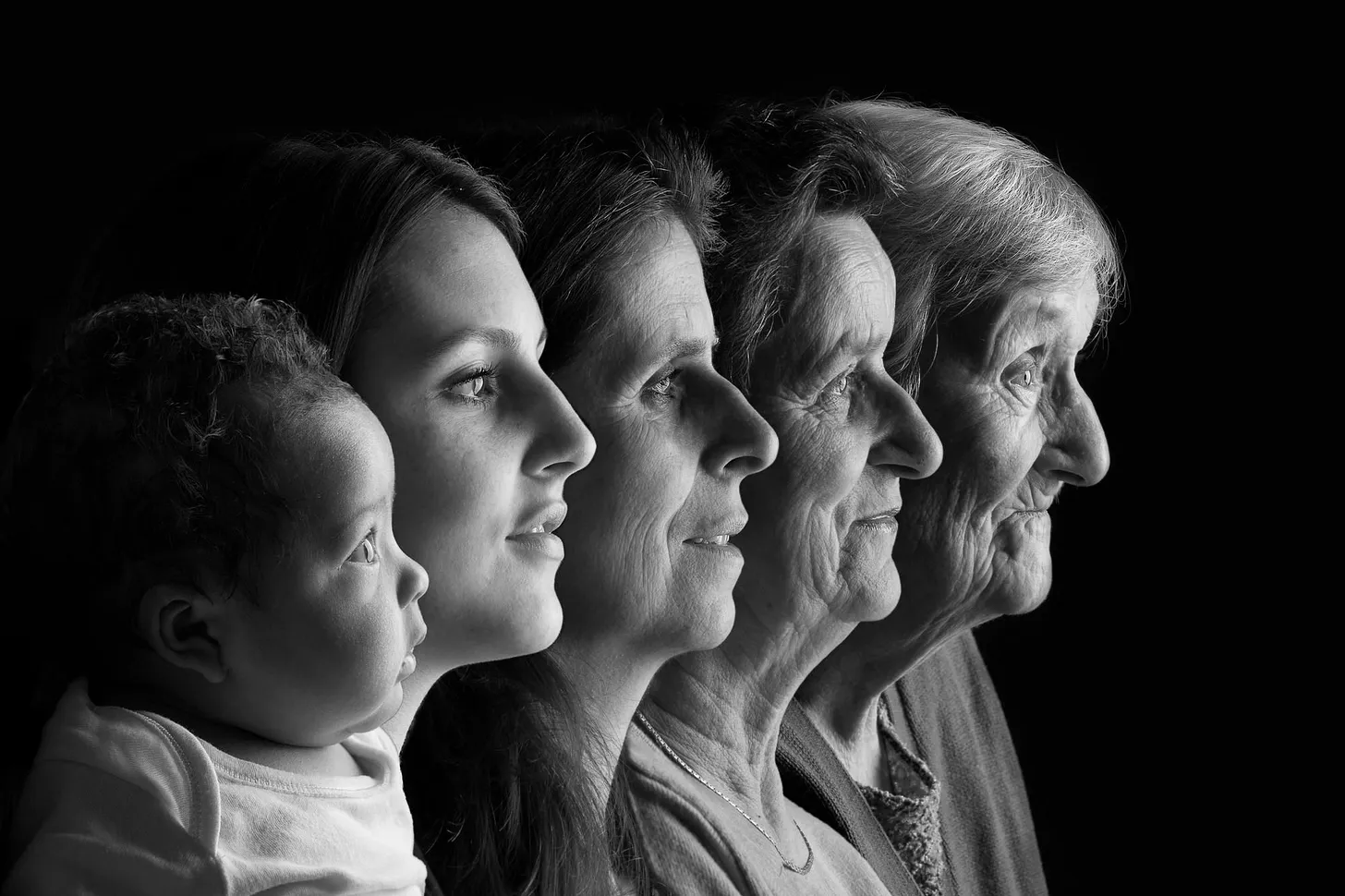


A baby boomer senior partner at a high-pressure law firm is frustrated with junior associates who "ask too many questions." (I get it, I’ve been mentoring junior clinicians for over 20 years).
A Gen X national team coach can't understand why young athletes these days "need constant validation." (I know it feels like that. I see it on the weekly. I mediate coach-athlete conversations all the time).
A millennial parent struggles with Gen Z teenagers who "won't listen to experience." (yep, BTDT - which translates to ‘been there, done that’ for those who aren’t sure!).
Same story, different contexts.
“It’s the generation gap.” The easiest explanation.
The media fuels this story. But this isn’t helpful.
It’s divided teams into “us” vs. “them.”
It makes leaders want to throw up their hands and give up. (Or throw something else, but that’s a different issue).
I totally understand. Firsthand. But the story we’ve made up about this “gap” is just plain wrong.
PAUSE: If you’re new here, I just want to say thanks for reading The Thriving Achiever: Excellence Redefined! I hope you will subscribe for free to receive new posts and support my work. I promise I won’t bug you too often and you can unsubscribe anytime, no hard feelings!
The research about the generation gap (and my experience) tells a different story.
We keep blaming generational differences for what are actually human differences. Studies show that supposed generational traits like work ethic and loyalty vary more within generations than between them (Costanza et al., 2012).
Your "lazy" millennial might just be disengaged.
Your "resistant" boomer might just need context.
One simple way to capture what people need comes from Self-Determination Theory (SDT; Ryan and Deci, 2000). This macro theory of human motivation and personality suggests that all humans - regardless of age – have similar needs to thrive.
So what are the basic psychological needs for motivation and wellbeing? It all comes down to ABCs: Autonomy, Belonging, Competence, and Security.1
The difference isn't in the needs themselves, but in how people learned to get them met.
Older generations tried to meet these needs through achievement. Proving their worth over time.
Younger generations learned to ask upfront for these needs to be met: clear expectations, understanding of impact and purpose, growth opportunities. Younger people likely learned to be more direct by watching the older generations’ strategy fail to meet all the ABCs. They're not entitled - they're efficient.
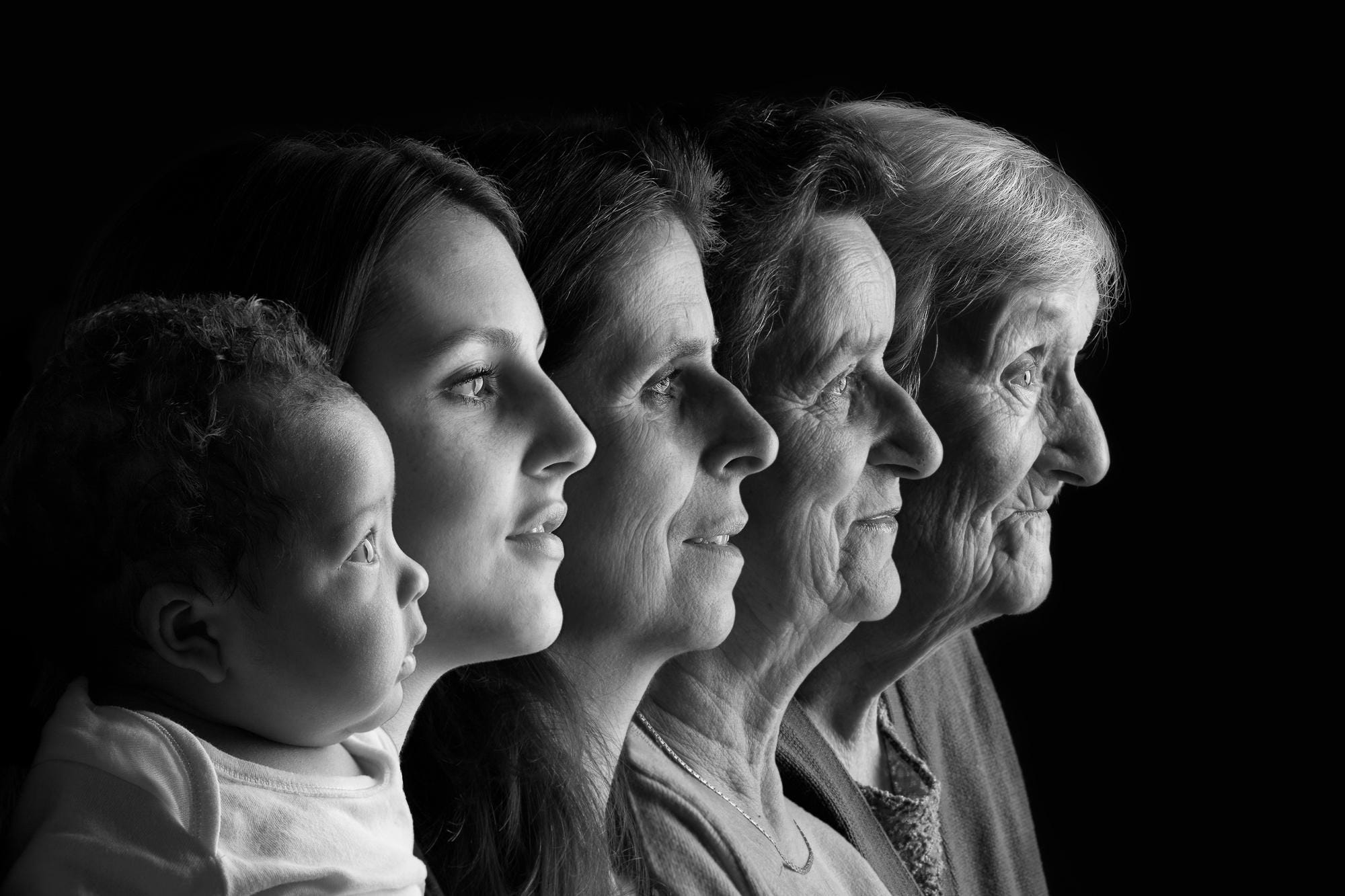
In my work with leaders and mentees of all kids, this shift in perspective changes everything:
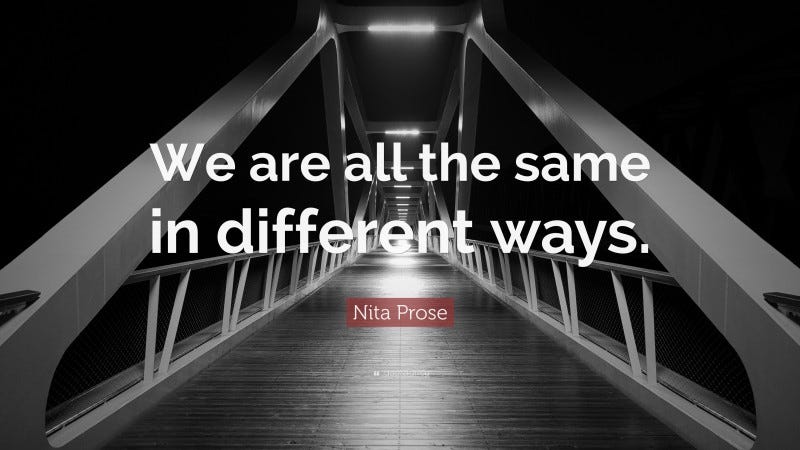
When we look at the story beyond the surface, we see the same ABCs motivate ALL humans.
Commit to going beyond the story you are telling yourself about the ‘generation gap.’
Then you will see: People’s response to almost everything, including work demands, isn't generational - it's individual.
The most successful leaders have cracked this code. Instead of "Millennials need constant feedback," they say "Sarah works best with weekly check-ins, Mike prefers monthly deep dives."
They treat people as individuals, not stereotypes. They stay curious, don’t make assumptions, and drop the ego.
The solution is simpler than you think.
You don't need different playbooks for different age groups. You need better questions:
When you change your questions, you change your solutions. And you get better results. Faster.
The most powerful way to bridge that generation ‘gap’ that you’ve been frustrated about (and doesn’t really exist) is to remember these two things:
We are more alike than you think.
AND
It’s all about the ABCs.
All humans just want to feel a sense of control or choice in this uncertain world. To feel competent. To feel valued, understood, and connected to something meaningful.
Including you.
What patterns have you noticed in your team that cut across age lines? Hit reply and let me know.
Consider a frustration or conflict you’ve been having with a team member from another generation. What ABCs might need attention for them to succeed?
P.S. Ready to move beyond managing generations to building bridges that create sustainable excellence? Check out my Bridging Generations Leadership program - teaching hands-on strategies to bridge the generation gap, align values for a culture of excellence, and master ways to build the legacy you want. DM me for a free discovery call.
Note: I have added my own spin to the components of this so that it is easier to remember and added a 4th concept (Security) to capture the need for “psychological safety”.
Written by
Heather Wheeler, Ph.D.
...and the Dimmer Switch mentality that helped him excel AND feel whole again

Heather Wheeler, Ph.D.
Seeing the hidden trauma beneath compulsive exercise and disordered eating


.svg)