

The Presenting Challenge: When Your Body Knows More Than Your Mind
You know that guy who seems to have it all figured out? That was Marcus.
NHL All-Star. Multi-million dollar contract. Endorsement deals with major brands. The guy was crushing it on the ice.
But when he slumped into the chair across from me last month, he looked totally lost.
"I don't know what's wrong with me," he sighed, fidgeting with his championship ring. "My girlfriend's about to walk because she says I'm 'emotionally unavailable.' My coach thinks I'm being difficult. I just... I don't know what the hell they want from me."
When I asked how he felt about all this, he gave me that deer-in-headlights look I see all the time.
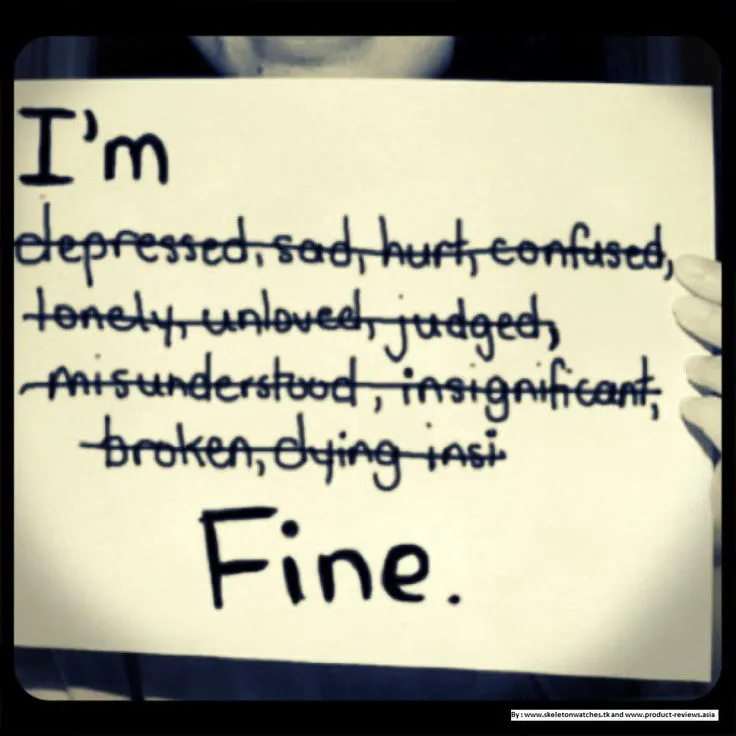
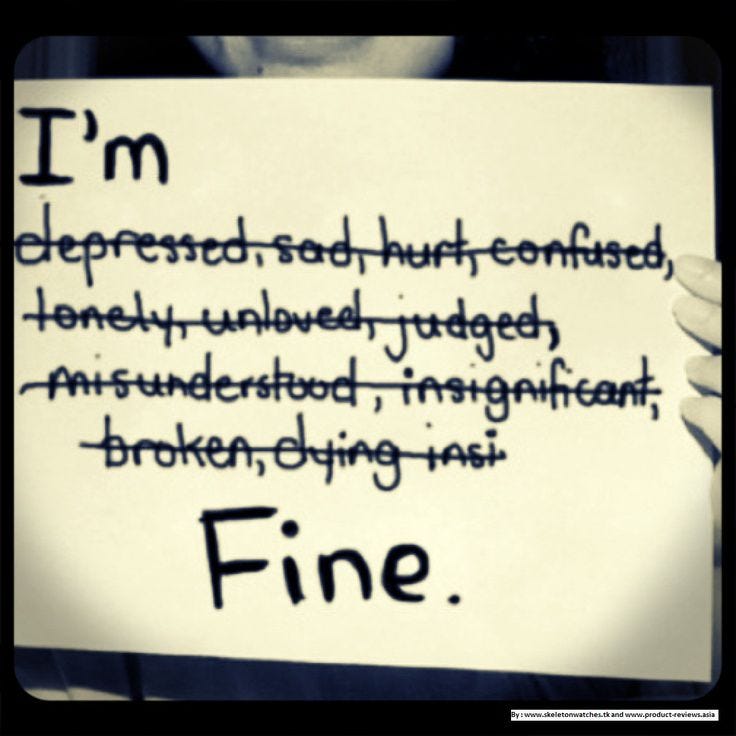
"Fine, I guess? Frustrated maybe? I don't really know."
Sound familiar? Despite being able to read opponents' moves in a split second on the ice, Marcus couldn't read his own emotional signals. And it wasn't because he was stubborn or lazy—he genuinely couldn't tell what was going on inside himself.
From the outside it looked like he had everything going for him.
But he felt empty. And lonely.
Marcus’ emotional blind spot wasn't just messing with his relationship.
His game was starting to suffer too.
Beyond the Surface: What's Really Happening
Marcus isn't the only one struggling with this - I see this pattern of masking emotions ALL THE TIME in high performers. I mean, there’s a reason that we call them PERFORMERS!
Technically, psychologists call this inability to describe or identify emotions "alexithymia." It shows up in those who have had trauma as a kid and/or tend to dissociate. It’s a signature move of those who have Avoidant Attachment styles.
Regardless, there's always a story behind it.
For Marcus, the backstory came out in pieces:
In that kind of chaos, nobody had time to ask, "Hey buddy, how are you feeling about all this?" The only way he could cope when his father beat up his mother was to hide in his room.
He was left completely to his own devices to figure out what to do with the real fear and helplessness he had as a young kid. When little Marcus was sad, he either got ignored or "Toughen up, son." When he was scared, he heard "You'll be fine" (translation: stop bothering me with your feelings). And BTW - your needs don’t matter….
His family wasn't cruel—they were just drowning in their own problems. But Marcus never got the emotional education most kids get. He threw himself into sports hoping he would make his parents proud and ease the burden. Unfortunately, he became a hockey prodigy with the emotional vocabulary of a toaster: good, bad, fine.
If you're a high performer like Marcus:
This emotional blindspot is like trying to drive with a fogged-up windshield. You miss crucial signals about:
If you're coaching, leading, or supporting someone like Marcus:
Those traditional motivational approaches? They'll probably backfire. Instead of clarity, you'll get:
The toughest part? This problem feeds itself. When you can't identify your emotions, you can't talk about them. When you can't talk about them, nobody understands you. When nobody understands you, you get more confused emotions you can't identify. And it's tough to have meaningful relationships when you’re “performing” all the time instead of being REAL.... And round and round we go.
The Breakthrough Tool: The Inside Out Approach
So how do we fix this? The game-changer for Marcus (and it might be for you too) was something I call the "Inside Out Approach."
Simple idea: Instead of starting with feelings (which is like asking someone who's colorblind to name colors), we start with physical sensations—the stuff you can actually feel in your body.
Here's how it works:
Step 1: Body Check
Ask yourself:
When Marcus told me he was "fine" in session, I pointed out the tension in his shoulders. I asked if his heart was racing. He was shocked to find out what was there without his awareness.
Step 2: Match Sensations to Basic Emotions
Name it to tame it. Research shows that putting a name to emotions (using the more mature prefrontal cortex of our brain) downregulates an emotion's intensity almost immediately.
Marcus needed this cheat sheet to get started:
Step 3: Rate It (1-10)
Just adding a number helps you track patterns without needing fancy emotional language. The higher the number, the more activated your sympathetic nervous system in a "fight-or-flight" sort of way.
For some people, it helps to track numbers in the other direction too. Anything rated in the negatives (up to -10) would be a measure of how much someone is in the "freeze or collapse" nervous system response domain (aka dorsal vagal shutdown).
Step 4: Connect the Dots
Ask: "What happened right before I started feeling this?"
For Marcus, we kept it super simple. After team meetings, he'd do a quick body scan. Nothing complicated—just noticing what was going on physically.
Bringing it together
Three weeks in, Marcus had his first breakthrough. He realized that certain types of criticism from his coach created the same physical reaction every time—tight jaw, hot neck, wanting to fight while simultaneously wanting to disappear.
Classic shame, though he didn't have that word yet.
He then became aware of how his shame was linked to how he felt during his Dad’s scary drunk tirades rather than what’s happening now with his coach. He started to feel some compassion for the kid who didn’t do anything wrong (but always felt like he did).
Now that he was aware of what it was and where it came from, he got to work learning what to do when it showed up. He stopped making it worse by trying to shove it down or ignore it.
Once Marcus had a name and place for it, could connect with this body sensations enough to properly connect and soothe them, he and I could transform the emotion into powerful energy to be expressed appropriately – either in his relationships or on the ice.
I've seen this same pattern with executives making high-stakes decisions, surgeons preparing for difficult procedures, and performers before stepping on stage. The physical manifestations might differ slightly, but the fundamental disconnect is the same—and so is the path back to connection.
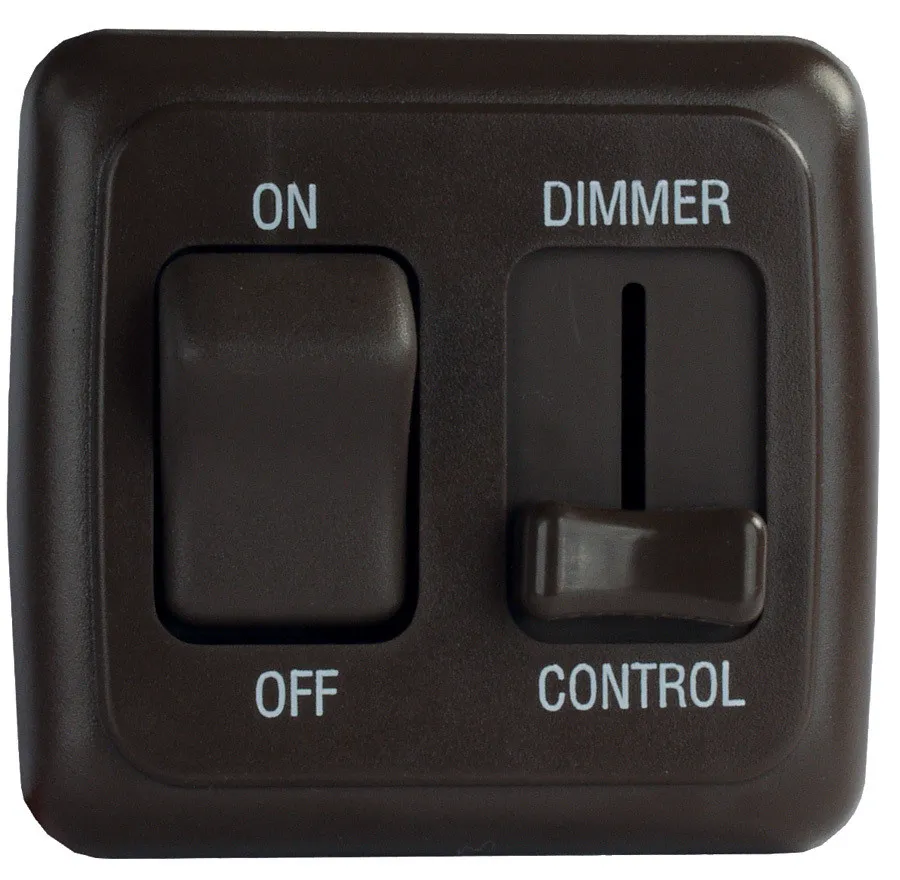
Finding Your Emotional Dimmer Switch
One concern I hear from all types of high performers resonates deeply: "If I start feeling all these emotions, won't it mess with my performance? I need to stay focused when it matters." The fear is real. And the myth that emotions are counterproductive in high performing environments has been perpetuated for far too long.
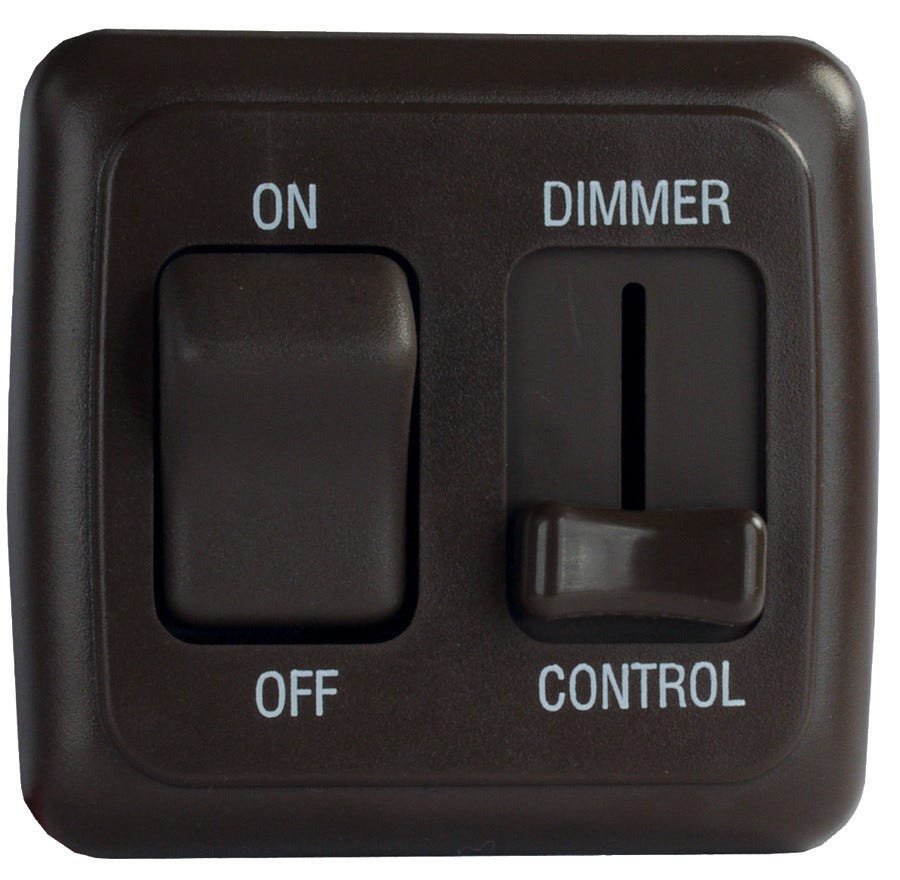
This is where our work on the Dimmer Switch (remember that from last month?) becomes so valuable. The goal isn't to suddenly be flooded with emotions 24/7. That would be overwhelming and counterproductive for anyone who needs to perform under pressure—whether you're an athlete, surgeon, executive, or creative professional.
Instead, we work on giving you more control over your emotional dimmer. When you're in a crucial meeting, performing surgery, on stage, or closing an important deal? You can dial down the intensity of emotions that might distract you. That's actually an important skill many high achievers already have—emotional compartmentalization is part of what makes them exceptional.
The problem comes when your dimmer gets stuck—fully "ON" for performance mode (hyper-focused, but rigid, emotionally disconnected) and completely "OFF" in your personal life (shut down, unavailable). You can't adjust based on what each situation needs. Emotions become the enemy. You feel out of control when they show up.
The ON/OFF “modes” are the nervous system in a state of high alert or Protection (even when there’s nothing currently challenging your survival).
By learning that emotions aren’t dangerous – and can actually be your allies - you can move into what’s called the “Window of Tolerance.” This is where you feel a sense of Connection with yourself and others and your body and mind are free to channel all of your energy into your performance.
As you train up your Dimmer Switch, you can recognize what you're feeling, dial it to the appropriate level for the context, and make conscious choices about how to respond.
The result? Many high achievers find their performance actually improves because they stop carrying unacknowledged emotional baggage into important situations. And their relationships transform once they can name what they're feeling and share it with others.
As Marcus put it, "I'm not letting emotions control me anymore—I'm controlling them."
Your Practice Until Next Week: The Body-Emotion Connection
Want to try this yourself? Here's your homework until next time:
If you're a coach, parent, or partner to someone who struggles with this: Instead of the useless "How do you feel about that?" (which will get you nowhere), try "What is the strongest sensation you feel in your body right now? Where is it, exactly?"
Feel free to offer suggestions about what emotion you think it might be to help normalize it. It's like a backdoor into emotional awareness.
Key Takeaways
Parting Reflection
Look, developing emotional awareness isn't about getting soft or turning into a feelings-obsessed therapy junkie. It's about having access to ALL the data that affects your performance and your life.
Whether you're an executive making critical decisions, a physician treating patients, a creative under deadline, or an athlete like Marcus—reconnecting with your emotions gives you more choices, not fewer. It's the difference between being controlled by unconscious patterns and consciously directing your energy where it matters most.
For those who grew up with emotional neglect, this journey from disconnection to connection isn't just helpful—it's brave as hell. You're learning a language in adulthood that most people have been speaking since kindergarten.
That takes guts. But so does everything worth achieving.
And the payoff is profound: deeper relationships, more sustainable performance, and—perhaps most importantly—the ability to actually enjoy the success you've worked so hard to create.
Let's redefine excellence together,
~ Heather
P.S. Did this newsletter resonate with you? I'd love to hear about your experiences with emotional awareness. And stay tuned for next week's insights on another dimension of sustainable excellence!
Written by

Heather Wheeler, Ph.D.
...and the Dimmer Switch mentality that helped him excel AND feel whole again

Heather Wheeler, Ph.D.
Seeing the hidden trauma beneath compulsive exercise and disordered eating


.svg)