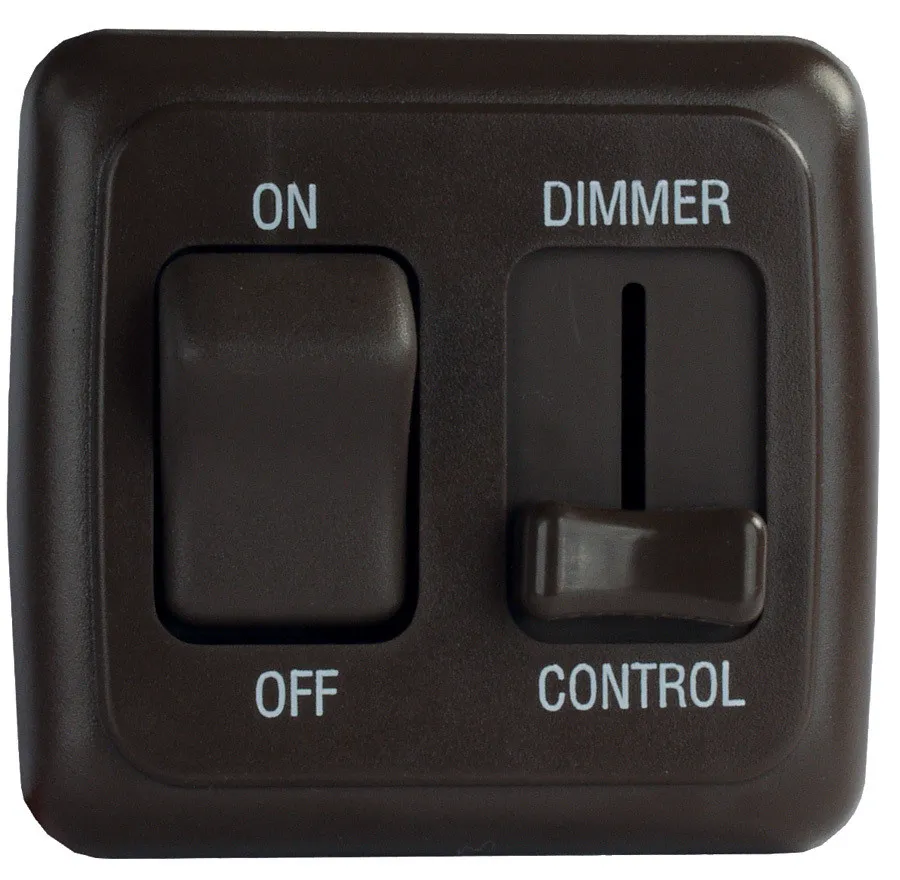


I know, I know….the title to this newsletter might seem confusing given that I’ve been writing about the need for a Dimmer Switch mentality, as opposed to an ‘all-or-nothing’ ON/OFF switch mentality.
But people are asking…”If I develop a Dimmer Switch, does that mean I have to stop driving, striving and wanting to achieve more?”
And…”What if I thrive on busy-ness? What if I LOVE going “all-in”? Is that really so unhealthy?
So this article will answer those questions. The short answer is NO.
Going “all-in” is not a sin. No one needs to be “busy-shamed” (criticized or side-eyed for being busy or intensely focused on achieving a goal).
I believe going all-in is part of greatness.
Let me explain…
People have always likened me to an Energizer Bunny. I work a lot and take on lots of projects at once. I was born with high energy. "How do you do it all?" they ask.
"I love my work!" is my simple response. I’m passionate about what I do.
But passion is complex.
I learned this early from my father, who was very passionate about his work but ended up crashing after busy periods. My dad always said he only had two speeds: “Full speed ahead and backwards.” He used an ON/OFF switch. Not a great strategy - as I’ve discussed – hence the need for me to develop a better option in the Dimmer Switch.
My dad was also a leader in his field known for infusing his work with contagious enthusiasm. He was famous for peppering his clinical teaching and public speaking with motivational quotes—tag lines meant to make key lessons stick (even if they were annoying to his kids!).
When Flashdance hit theaters, my dad latched onto Irene Cara's anthem: "Take your passion... and make it happen!" (Are you singing it yet??)
That message stuck with me. I've followed my passion throughout my career, and while it may not have maximized my bank account, it has multiplied my happiness. I consider myself extremely lucky.
The Two Faces of Passion
I'm aware that being in a passion profession carries risks. Robert Vallerand, a pioneering Canadian psychologist, distinguishes between what he calls "harmonious passion" and "obsessive passion"—the power and perils of passionate engagement.
Harmonious Passion
Obsessive Passion
Going “All-in” without burning the boats behind you….or burning out.
Steve Magness | Substack - whose writing I deeply relate to and very much respect – says that the perils of passion (like those listed above) show up when you go “all-in” and “burn the boats behind you.” See his article describing this Why ‘All In’ Is No Recipe for Success - WSJ
Steve is referring to when we over-identify with the passion and the outcomes you’re striving for. When it feels like it’s all you’ve got and your survival (and entire self-worth) depends on succeeding. So when things don’t go your way (which of course, happens) – you’re screwed …and alone.
I totally understand what he’s saying. And I see the damage done by people over-identifying with certain things they set out to achieve.
…But I (politely) disagree.
You CAN go All-in. In fact, it’s a standard requirement of all high performers. Full commitment.
And with that level of commitment (sorry Steve), I think it’s impossible to prevent your ego from getting involved. We all attach parts of our identity to what we do. Part of our self-worth and identity WILL get attached to outcomes – it’s just human nature to make meaning out of things in a self-related way.
High performers NEED to have intense unrelenting focus that leaves no room for other aspects of your life…AT TIMES. Or for a PERIOD OF TIME.
During particularly intense periods of work – usually when creating something new - I have gone for a month (or two...) of 12-to-15 hour days around the clock. Call it hyperfocus, perfectionism, whatever you want….I see it as an essential skill to have in passion professions…
A writer or start-up founder with deadlines they want to meet (usually self-imposed but helpful nonetheless). A lawyer or doctor who wants to help and has no control over the number of cases at once sometimes. An executive or healthcare leader who needs to lead their team through a rocky time (pandemic, anyone??!).
Even pro athletes sometimes only take a break on travel days. Others – I’ve been told – stick to their routine so consistently that they lift their suitcases like weights in airports around the world.
Sometimes these intense periods last a week. Sometimes they fill the better part of a year or two.
Don’t get me wrong. Everyone (including me) knows you can’t do it forever. I’m not “buying into hustle culture” here.
I’m just suggesting - as Tim Denning so aptly put it in The Most Successful People I Know Have a Psychopathic Sense of Urgency: “Success in any field comes from IMBALANCE.”
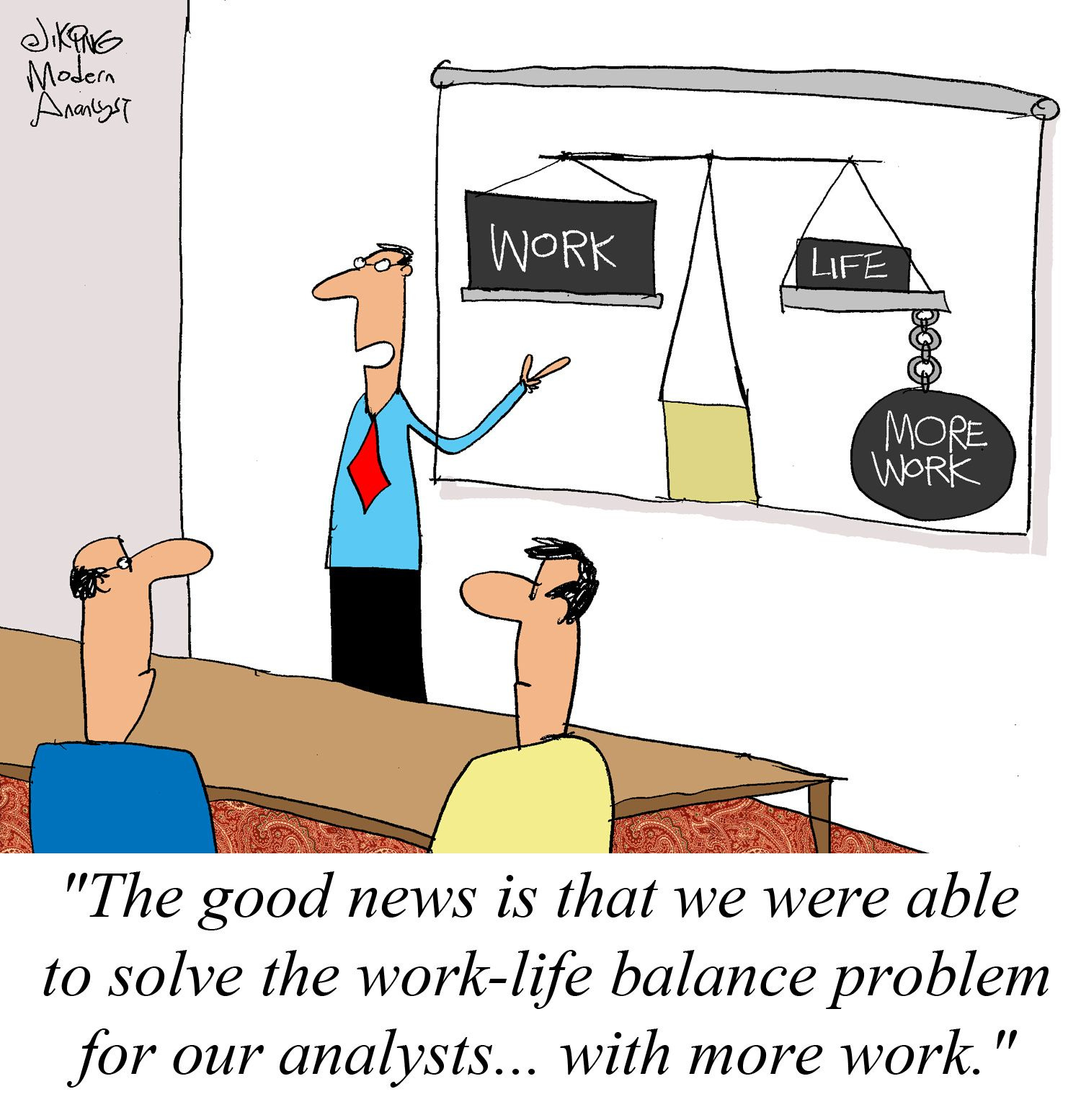
Image from www.modernanalyst.com
For me, "I love my work!" explains why I continuously take on new projects and struggle to rest.
Yes, AT TIMES I've become too attached to my identity as someone who "gets stuff done."
But does this make it problematic?
As a lifelong high-performer, I've come to reject the notion of "work-life balance" in favor of what my father always said: "It's not a job, it's a way of life."
This doesn't make it—or me—obsessive. It makes it integral to how I hope to impact others in a meaningful way.
It’s not easy to harness passion when it is so strong. But I believe that there’s no way to fully separate your identity from your passion. It’s about being anchored even when your passion threatens to take over your life.
So maybe I’m just extending Steve’s metaphor a bit….to say that there can be times that you DO jump all-in to a boat for a while. And maybe you do burn the boats behind you too (sometimes unintentionally).
The caveat? …this works AS LONG AS you know how and when you need to go into shore for periods of time, have plenty of fuel and water on board, are still connected to the land, sky and your greater purpose, are willing to ask for help, and make sure to invite others into your boat for different parts of the journey.
You can even rebuild your boat and start again if you realize you’ve made a mistake in how you’ve chosen to live your life. It’s all okay. You will be okay.
The Reality: Waves will Rock your Boat
Let's be honest—even the Energizer Bunny runs out of batteries sometimes. I've been burnt out (and worse) at times throughout my life.
But I've learned to see this as a “battery failure” rather than a personal failure. In the passion professions, I see it as an occupational hazard—like physical injuries for professional athletes. It's part of what we pay to play.
More importantly, I see burnout as a consequence of not loving what you do. It’s when you are chasing someone else’s goals, not your own. Or you’ve lost touch with your values and reasons for doing what you’re doing. Or the environment is just not a good fit – you’re on the wrong lake – so will never reach your destination.
Whenever I’ve burnt out in the past, it’s usually because I’ve been working hard on something for the wrong reasons. Noticing this led to making a change - including choosing to change arenas or focus on a different passion all together.
Personal Check-In Questions
If you can answer these questions in a way that says you’re operating from a place of autonomy, authenticity, and mastery – and without disconnection from purpose and people – then you’re good.
Reflection Exercise:
Take a moment to assess your own passion using the questions above.
What one change could help you stay anchored even when your passion is strong?
Final Thoughts
Critics sometimes misunderstand my relationship with work. They see my multiple projects as "flexing," interpret my occasional tiredness as poor judgment, and mistake my enthusiasm for anxiety. They see me as “imbalanced.”
They miss the point.
Imbalance is a requirement for success in passion professions.
This isn't about burning the boats—it's about going All-In because I want to.
I just love what I do. And I do it best when I go all-in.
Let’s redefine excellence together,
~Heather
Written by

Heather Wheeler, Ph.D.
...and the Dimmer Switch mentality that helped him excel AND feel whole again

Heather Wheeler, Ph.D.
Seeing the hidden trauma beneath compulsive exercise and disordered eating


.svg)