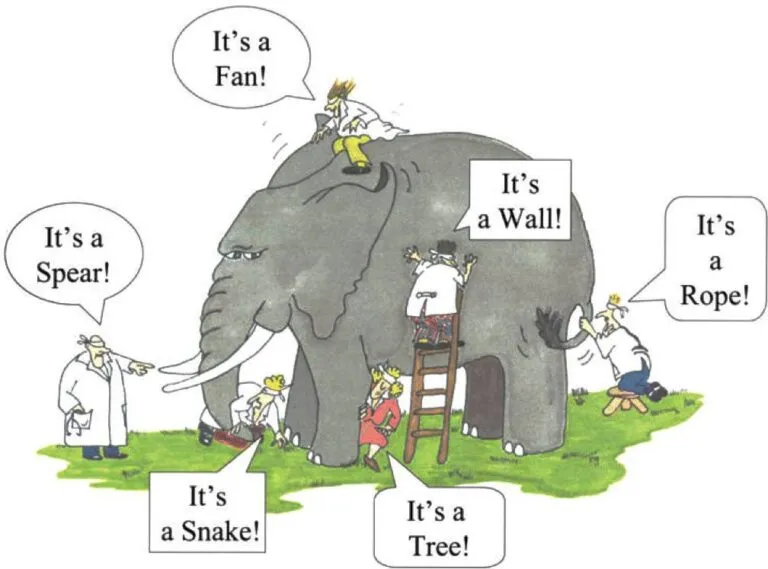



I’m so glad I don’t have to know it all.
My younger self thought figuring everything out for myself and being the smartest in the room would earn approval, respect, and success.
That all started to change when I was a teenager. I moved from an individual sport into a team sport. We were determined to represent Canada at the World Championships.
But first I had to make the team. It was going to take more than “Knowing it all” or being seen as the best.
Our coach was visionary. She identified each athlete’s strengths and weaknesses, then harnessed them strategically.
She made everyone feel valued by including all of us in every training session. No singling out star performers. She took individual athletes and created a unified team where talent level alone didn’t determine worth.
As the youngest with the least talent, my strength wasn’t athletic prowess - it was lifting others up through attitude, enthusiasm, discipline, and support.
Thank goodness my coach recognized this personal attribute as crucial for a traveling team’s culture and cohesion. She named me to the team.
This planted the seed of collaboration as a core value.
My coach taught me how great leaders make the whole of a team greater than the sum of its parts.
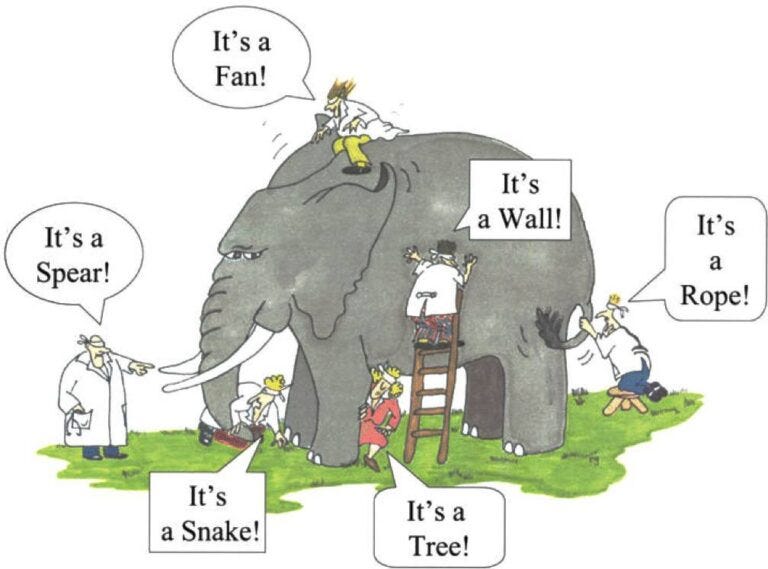
In healthcare over 25 years, I doubled down on collaboration. Leading programs, mentoring students, and managing change taught me something fundamental: whenever I tried doing things alone, I lost momentum and developed false confidence. Without the team being aligned, projects failed before they could even get off the ground.
But when I started taking time to understand what each person needed to feel valued - like they mattered - things started shifting. I used to rush through this part of the process. once I realized that “taking time to save time” was a thing, I learned how we could leverage their unique strengths to support the team’s goal.
It worked. We got better results, faster.
My job as a leader in healthcare was to align diverse professionals with different philosophies towards a common goal. Psychiatrists or nurses focused more on medication than therapy, addiction counselors with approaches and training that went against the grain, managers and administrators whose goals and expectations sometimes clashed with the outcome of better patient care.
I had to bring all perspectives together so we could each contribute our expertise, learn from each other, and create a new and improved way of doing things. And I’m proud of the way we did, even though it wasn’t always easy.
Now, as part of the Integrated Support Team (IST) in high-performance sport, I work with coaches, sport medicine doctors, physiotherapists, physiologists, strength and conditioning coaches, certified mental performance consultants, sport psychiatrists, and other mental health practitioners.
Every one of these professionals is a leader in their own right. We are all experts in our fields. It would be easy to regress into territorial discussions and start putting hard lines around what we bring to the table.
But instead, the most successful teams focus on how collective expertise can reach a common goal. In the sport world, that means how to help the athletes reach their highest potential. This only works when the support team aligns and values collaboration over individual brilliance.
None of us are unicorns. There is always some overlap in roles and expertise.
Physios and massage therapists support athletes with mental health problems when they spill out on the table. Sport physicians are spending more and more of their hours attending to athlete mental health. Mental health practitioners teach sport psych skills. Coaches apply motivational techniques and attend to distress in the training and competition environments.
I would never say that I know more about medication than a psychiatrist or about sport psych techniques than a certified mental performance consultant.
But it is essential that I learn what they do. It helps me have a wider view of what an athlete might need. Even offer some understanding of a problem from a different lens. And then refer on to my colleagues who can help them better than I can when I’ve reached the end of my scope.
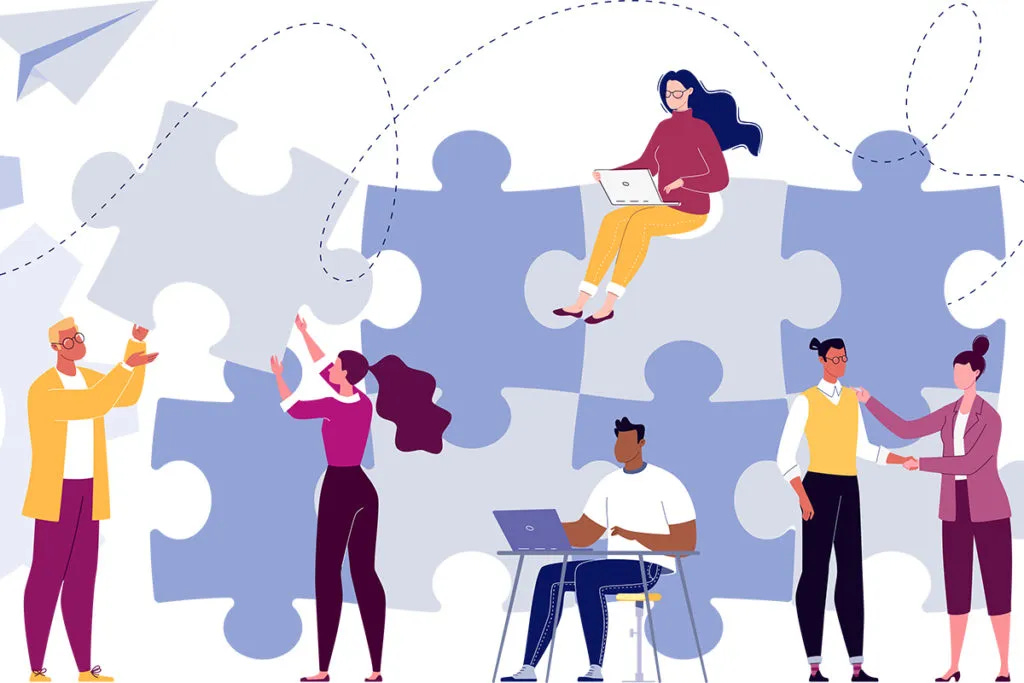
Collaboration requires curiosity and courage. Staying open to learning from others. To look for ways to upskill one another. To elevate one another without worrying we will lose our spot at the table if we do. To share concerns openly and safely so we can respect each other’s perspectives and strengths without making assumptions.
To kill the ego.
Great leadership recognizes unique talent and expertise while ensuring it’s used to enhance the performance of others. To grow each other in the process to fully unlock anyone’s individual potential.
Collaboration is the place where innovation, creativity, and efficiency flourish. Where performance soars. We cannot close knowledge gaps, address blind spots, and fully support people without allies on the journey.
Understanding and shining a light on what others contribute also helps me recognize my own limitations. It creates connection, reduces the burden of doing everything alone, and prevents burnout. Sharing the load helps me do my job better.
My coach understood this decades ago, battling senior leaders and advocating for those who had different types of strengths to make up this national team. She created a culture of excellence through psychological safety, collaboration and a focus on mental health before it was popular in the world of high-performance sport. She took risks and went against conventional wisdom because she knew high-performance teams depend on making everyone matter. On setting the stage for true collaboration as an essential ingredient for success.
Whether it’s in the sport or corporate world, in professional or healthcare teams, the highest-performing teams know that they don’t need one person who knows everything. They also don’t just need “talented individuals” or “experts in their fields.” They need leaders who unlock potential by looking for sometimes unseen strengths. By prioritizing safe spaces for us all to learn from each other. To harness people’s strengths and create something bigger than themselves.
High-performance leaders know that the best results come when they leverage individual strengths for collective success AND use healthy collaboration to leverage individual growth.
I will always prefer interprofessional collaboration over working in silos. And a “learn-it-all” approach over being a “know-it-all.”
The collective whole is always greater than the sum of it’s parts.
____________________________________________
What would change in your organization if everyone felt their unique expertise was valued while staying within their scope? How might clearer role definition actually enhance collaboration? Hit reply and let me know.
P.S. Ready to build collaborative cultures that leverage diverse expertise without blurring professional boundaries? My Bridging Generations Leadership program teaches the skills for creating interprofessional excellence. Reach out if you’re ready to move from individual brilliance to collective expertise.
Written by
Heather Wheeler, Ph.D.
...and the Dimmer Switch mentality that helped him excel AND feel whole again

Heather Wheeler, Ph.D.
Seeing the hidden trauma beneath compulsive exercise and disordered eating


.svg)